


How food and beverage manufacturers are using LP Liquid Totes to compress inbound freight, reduce truckloads, and protect operating margins
The story of modern manufacturing is the story of change. Shifting geopolitics, shifting operations, shifting workforces, and most of all, shifting costs. Across every function, leaders are being asked to do the same thing: cut where you can, find efficiencies, and protect margin.
Few industries feel this more acutely than food and beverage. Transportation rates have pushed raw material costs higher, and one of the most under-examined contributors to operational costs is the one many procurement teams have historically taken for granted: bulk liquid packaging.
The pooled and returnable IBC programs that were a clear win a decade ago are now eating into margins through cleaning, asset-tracking, and return-leg freight. Single-use corrugated totes, originally chosen for freight efficiency, are seeing their own pressures, climbing unit costs, longer lead times, and inbound truckloads that no longer pencil out the way they used to.
These are the conversations we have every day with customers at PackGen / Lapoint Packaging, and they’re the conversations our LP Liquid Totes were engineered to solve.
Three customers, one problem
Over the past 12 months, three food and beverage manufacturers, each shipping in and exporting thousands of totes annually, came to us with a version of the same question:
Is there a tote that holds the line on unit cost against an all-corrugate option, performs as well or better on the production floor, and meaningfully reduces our inbound landed freight?
All three had explored a variety of packaging programs in the past. Each had run a returnable program at some point. Each had moved to traditional corrugated bulk liquid totes, and each was now looking at a freight environment that had rewritten the math on both. Their operations, supply chain, and procurement teams were being pressed on finding an economic solution that could meaningfully deliver landed cost savings and on their total cost of ownership per unit.
What changed when they switched to LP Liquid Totes
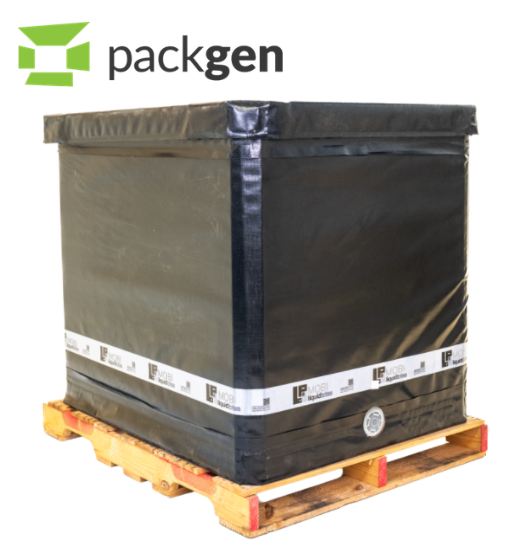
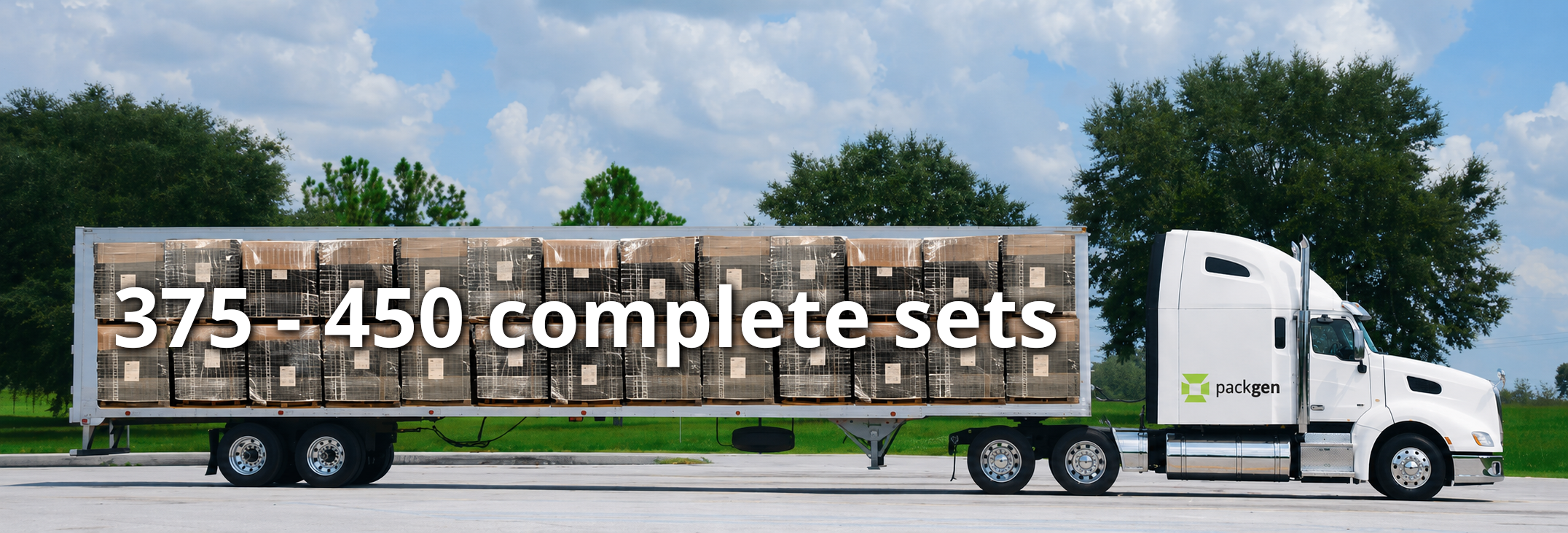
The mechanical answer is in how the LP Liquid Tote is engineered. Our totes ship flat (bodies, covers and cassetted liners included) allowing us to fit 357-420 complete sets per inbound truckload. This represents a 30-50% increase in number of units over our nearest collapsible competitor.
For these three customers, that translated to roughly 13 fewer inbound truckloads per year to each of their facilities. At current shipping rates, the landed-cost savings ran into the tens of thousands of dollars per customer per year, before counting downstream impact.
The benefits didn’t stop at the receiving dock. Once the totes arrived and went into production, customers reported:

- Less warehouse footprint consumed by packaging inventory. Our flat-shipped totes occupy a fraction of the floor space, freeing storage for finished goods or raw material.
- Faster, safer material handling. At roughly 30% lighter than the nearest competitive tote, operators move them faster and with less ergonomic strain.
- Lower CO₂ per unit shipped. Fewer inbound trucks means a measurable reduction in Scope 3 emissions, a number procurement and sustainability teams are increasingly being asked to report on.
The bigger picture
This case study focuses on LP Liquid Totes in food and beverage, but the underlying logic, engineering packaging for inbound freight efficiency without compromising performance, runs through every product line we build, from our Cougar and Xtractor catalyst containers to our environmental services and hazmat containers like the Cowboy and Maverick.
Adversity as a working condition
Cost pressure and economic turbulence aren’t a temporary state for our customers; they’re the operating environment we all currently live in. We’ve built PackGen to be most useful exactly when that pressure is highest: when procurement teams are being told to find savings, when operations are being asked to do more with less, and when finance needs the landed-cost number to actually move.
We offer more than just a product. We build working partnerships that help customers emerge from challenging periods leaner, faster, and better positioned for what comes next. Interested in discovering how your company can drive cost savings while improving your packaging performance? Contact Lapoint Packaging – your packaging partner for good.